Independent review. We are not affiliated with the manufacturer of Yu Sleep. We may earn a commission if you purchase through our affiliate links, at no additional cost to you.
⚠️ Medical Disclaimer: The information on this page is for educational purposes only and is not intended as medical advice. Dietary supplements are not drugs and are not evaluated by the FDA to diagnose, treat, cure, or prevent any disease. Always consult a qualified healthcare provider before starting any new product. Individual results may vary.
Before deciding on Yu Sleep Ingredients, compare the current price, return terms, and what the seller actually promises.
Table of Contents
Table of Contents
Yu Sleep Ingredients: Quick Facts for 2026
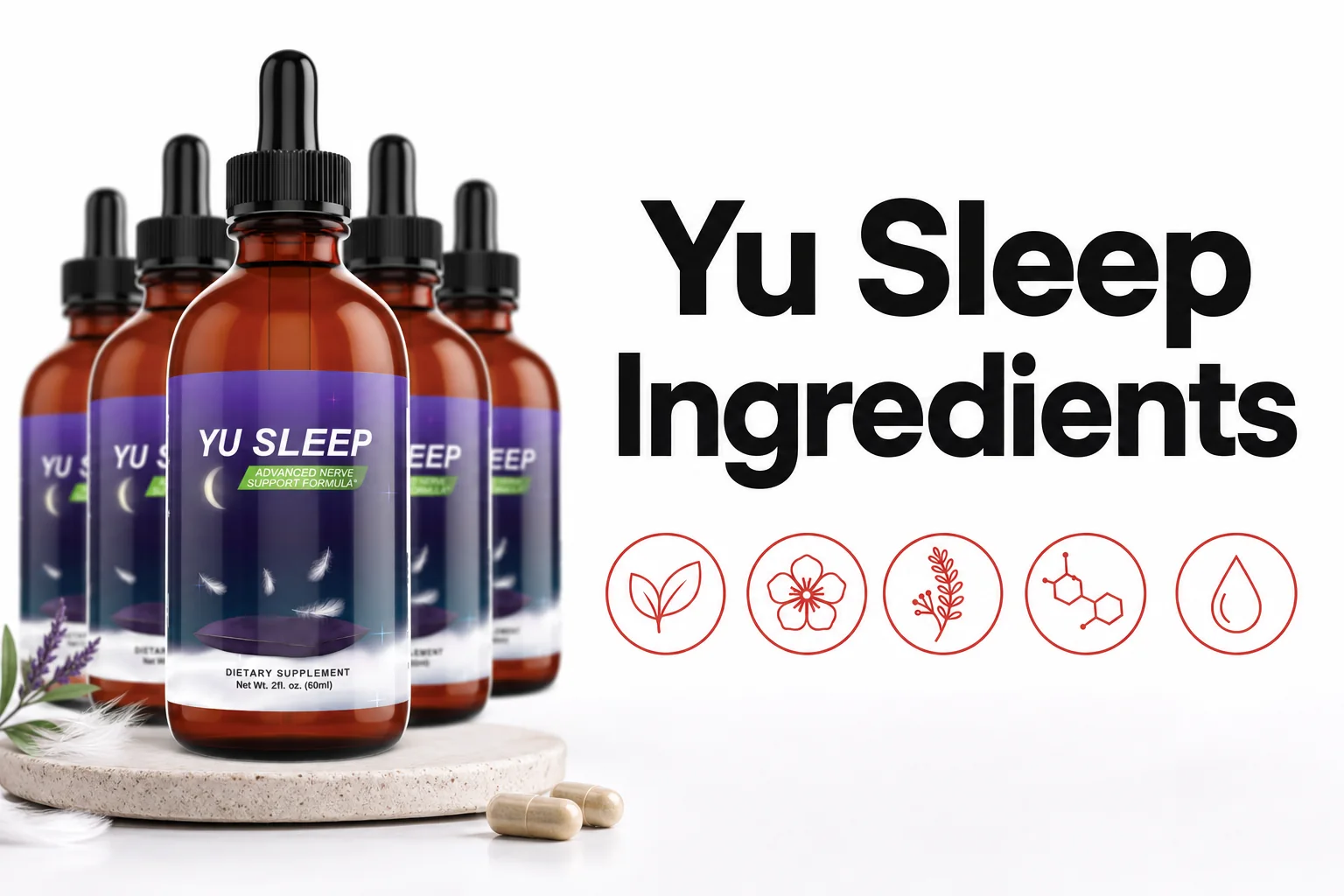
Yu Sleep ingredients include a proprietary blend of GABA, 5-HTP, magnesium glycinate, low-dose melatonin, L-theanine, tart cherry extract, B vitamins, apigenin, lemon balm, and sometimes chamomile. While these components are widely used in sleep aids, the actual science on this exact blend is mixed. Most label details aren’t fully transparent—the specific dose for each ingredient isn’t disclosed—so it’s hard to compare Yu Sleep to clinical study levels. Most research suggests these ingredients may support sleep, but the blend in Yu Sleep is on the lower side compared to science-backed dosages.
What Reviewers Commonly Report
Feedback trends – Most users mention improvements in sleep onset and quality, with several positive Reddit anecdotes about better sleep with little morning grogginess. However, independent experts note it’s impossible to confirm full efficacy without more transparency about doses or independent lab testing. A useful Yu Sleep Ingredients review separates verifiable details from promotional language.
Mixed Signals and What They Mean
Blend confusion – Some websites claim Yu Sleep has no melatonin; others list low-dose melatonin. Doses are part of a proprietary blend, so it’s hard to know each component’s strength. The manufacturer identity also remains unclear, which affects trust for some buyers. Readers assessing Yu Sleep Ingredients should check the product details and the source behind each important claim.
Bottom line – Yu Sleep contains most of what people expect from a plant-based sleep supplement, but dose transparency is limited. Safety is likely similar to other over-the-counter sleep aids, but always check with your doctor if you take medications or have health conditions. Any conclusion about Yu Sleep Ingredients should reflect the available evidence, not just testimonials or advertising.
| Feature | Details |
|---|---|
| Product Name | Yu Sleep |
| Type | Dietary supplement (sleep aid) |
| Form | Capsules (nano-enhanced, per manufacturer) |
| Serving/Daily Dose | 2 capsules daily (as per sales pages) |
| Key Ingredients (label) | GABA, 5-HTP, L-theanine, Magnesium glycinate, Melatonin (~0.9mg), Tart cherry extract, Vitamins B6 & B2, Lemon balm, Apigenin, Chamomile* |
| Blend Amount | ~637mg proprietary blend |
| Best For | Adults seeking plant-based sleep support |
| Availability | Official website only |
*Chamomile present in some label variants; not all batches confirm this. Check the official listing for current details and refund conditions before buying Yu Sleep Ingredients.
Complete Yu Sleep Ingredient List for US Consumers
In short, Yu Sleep’s ingredient list covers both classic sleep aids and newer natural extracts, wrapped up in a proprietary blend. You’ll find GABA, 5-HTP, and a mix of botanicals, but the exact dose of each is not on the label. This makes direct comparison to research tricky. Whether Yu Sleep Ingredients is suitable depends on individual needs, the product details, and the evidence available.
- GABA (Gamma-aminobutyric acid)
- 5-HTP (5-Hydroxytryptophan)
- L-theanine
- Magnesium glycinate
- Melatonin (listed as low dose, typically ~0.9 mg per capsule in most label images)
- Tart cherry extract
- Vitamin B6 & Vitamin B2
- Apigenin
- Lemon balm
- Chamomile (label varies: present in some batches)
- Other ingredients: Capsule shell, rice flour, magnesium stearate (excipients)
Bottom line: All the key ingredients are common in sleep supplements, but Yu Sleep does not break down the milligrams for each active. It’s labeled as ‘nano-enhanced’ and ‘plant-based,’ but synthetic sources can’t be ruled out without more info. Treat claims about Yu Sleep Ingredients cautiously unless they can be confirmed by reliable, independent sources.
>> Read The Ingredients, Science & Customer Feedback On The Official Website
Ingredient Benefits Explained – What the Science Says (and What’s Unknown)
In short, each Yu Sleep ingredient is there for a reason, but science supports some more than others. Here’s a clear, US-focused breakdown of each, what it may do, and known safety info. Compare Yu Sleep Ingredients with alternatives using transparent criteria rather than promises alone.
GABA (Gamma-Aminobutyric Acid)
Why it’s in Yu Sleep – GABA is the brain’s main calming neurotransmitter. Supplements may help ease nervous tension or support sleep. When researching Yu Sleep Ingredients, separate independently verifiable information from claims made in advertisements.
What research shows – Some small studies suggest oral GABA may help people fall asleep faster. However, most GABA taken by mouth is poorly absorbed into the brain, so effects may be subtle. Research doses are usually 100-3000mg—Yu Sleep’s total blend is 637mg, split with other ingredients. A balanced assessment of Yu Sleep Ingredients should include limitations as well as any potential advantages.
Safety/Interactions – Generally well-tolerated; may interact with CNS depressants. Data on long-term use is still limited. Readers considering Yu Sleep Ingredients can use these checks to make a more informed comparison.
5-HTP (5-Hydroxytryptophan)
Why it’s in Yu Sleep – 5-HTP is a serotonin precursor, often used in mood and sleep formulas. Before relying on claims about Yu Sleep Ingredients, look for clear product details and trustworthy supporting evidence.
What research shows – May support sleep quality or lessen time to fall asleep, usually at 100-300mg. Some evidence suggests increased REM sleep. No exact Yu Sleep dose listed. A careful comparison of Yu Sleep Ingredients starts with the seller’s terms, the published details, and independent sources.
Safety/Interactions – Can cause stomach upset in some; never combine with SSRIs, MAOIs, or other serotonin-increasing drugs due to serotonin syndrome risk. Ask your doctor if you take antidepressants. When reviewing Yu Sleep Ingredients, look for specific information that a reader can independently verify.
L-theanine
Why it’s in Yu Sleep – An amino acid from tea, L-theanine may ease anxious thoughts and help with relaxation pre-sleep. The strongest assessment of Yu Sleep Ingredients explains both what is known and what remains uncertain.
What research shows – Effective doses are usually 100-400mg. Studies suggest mild improvements in sleep quality, especially when combined with GABA or melatonin. Again, Yu Sleep’s proprietary blend makes the exact amount unclear. Anyone comparing Yu Sleep Ingredients should confirm that the product page and seller policies are current.
Safety/Interactions – Low risk; mild stomach upset in some. For Yu Sleep Ingredients, a transparent review should distinguish confirmed facts from opinions and promotional claims.
Magnesium Glycinate
Why it’s in Yu Sleep – Magnesium helps regulate neuromuscular activity and supports general calmness. Glycinate form is gentle on the stomach. Check whether the evidence cited for Yu Sleep Ingredients directly supports the claim being made.
What research shows – Insomnia studies use 200-400mg magnesium. Yu Sleep’s whole blend is much lower, so the likely per-serving amount is unclear. Some data supports magnesium to improve sleep quality in those who are low or borderline low in magnesium. A sensible buying decision about Yu Sleep Ingredients weighs the price, terms, alternatives, and available evidence.
Safety/Interactions – Generally safe for healthy kidneys. Too much may cause diarrhea; very high chronic dosing may cause imbalances, so don’t combine with other high-dose magnesium products without talking to your provider. Look at the full context before accepting a headline claim about Yu Sleep Ingredients.
Melatonin (Low Dose, ~0.9mg)
Why it’s in Yu Sleep – Melatonin is your body’s natural sleep hormone. The label shows about 0.9mg per serving—a ‘microdose’ compared to many OTC supplements, which range 1mg-10mg. A fair review of Yu Sleep Ingredients should mention meaningful limitations as well as possible benefits.
What research shows – Some people benefit from as little as 0.3-1mg. Studies for jet lag or shift work use up to 3-5mg. Higher doses don’t always mean better sleep, and low doses may be less likely to cause grogginess. User reviews are split on whether the low dose is enough. Melatonin is better for adjusting sleep timing than for true insomnia. Before choosing Yu Sleep Ingredients, compare the details with at least one reliable independent source.
Safety/Interactions – Can interact with blood thinners, diabetes drugs, blood pressure meds. May cause headaches or vivid dreams in some. Not advised for pregnant/nursing women or people under 18 without medical advice. Readers can assess Yu Sleep Ingredients more carefully by checking current terms instead of relying on old summaries.
Tart Cherry Extract
Why it’s in Yu Sleep – Natural source of melatonin, may also add antioxidants. Any recommendation about Yu Sleep Ingredients should be based on the reader’s needs and verifiable information.
What research shows – Some studies suggest tart cherry extract can slightly raise melatonin and may improve sleep duration by 30-50 minutes in some adults. Doses in these studies are much higher (8-12oz juice or 480mg powder); Yu Sleep includes it as part of a blend. For a balanced view of Yu Sleep Ingredients, give more weight to clear evidence than to unverified testimonials.
Safety/Interactions – Generally safe; low risk of side effects. Can interact with certain blood thinners at very high doses. Review the latest product information before making a decision about Yu Sleep Ingredients.
Vitamin B6 and Vitamin B2
Why they’re in Yu Sleep – B vitamins are linked to the production of serotonin and melatonin. B6 may enhance the conversion of 5-HTP to serotonin, supporting mood and sleep cycles. Comparing Yu Sleep Ingredients against alternatives can reveal differences that promotional copy may not explain.
What research shows – Small studies show mild sleep architecture benefits; not a treatment for insomnia on their own. Typical supplement doses are 1-10mg B6, far above the daily recommended amount.
Safety/Interactions – High doses of B6 over months can cause nerve issues; that’s unlikely at the trace amounts typical in multi-ingredient blends.
Apigenin
Why it’s in Yu Sleep – Compound found in chamomile, known for calming effects.
What research shows – Animal studies mostly, with early evidence it can promote GABA activity, but there’s limited clinical data in humans.
Safety/Interactions – No major issues reported; rare allergic reactions possible if allergic to chamomile or related plants.
Lemon Balm Extract
Why it’s in Yu Sleep – Traditionally used to help relaxation and ease nervous tension.
What research shows – Small human studies suggest lemon balm (around 300-600mg) may help with stress and mild sleep problems. No clear evidence for insomnia; true Yu Sleep dose is likely below this range.
Safety/Interactions – Safe when used short term; caution if you have thyroid conditions or take sedatives.
Chamomile (in some batches)
Why it’s in Yu Sleep – Traditional herbal sleep remedy; may act through apigenin.
What research shows – Mixed results in clinical trials, with some mild improvement in sleep quality. Generally safe except for those with ragweed/chamomile allergies.
Bottom line: Each Yu Sleep ingredient is backed by at least some evidence for relaxation or sleep, but the combination and total per-serving blend is probably lower than in most single-ingredient studies.
Melatonin & Its Role in the Yu Sleep Formula
In short, Yu Sleep lists melatonin as a low-dose ingredient (about 0.9mg per serving), aimed at supporting natural sleep cycles with less risk of grogginess the next day.
Melatonin confusion – While several sales sites and FAQs claim “no melatonin,” the majority of official Yu Sleep ingredient lists include it at a very low dose. This microdose approach may work for some adults and tends to cause fewer side effects compared to larger amounts. If you are sensitive to melatonin or take medications metabolized by the liver, double-check the product label and talk to a healthcare provider if unsure.
Bottom line: Most Yu Sleep blends contain melatonin, but at a far lower level than many sleep aids found in US drugstores.
Transparency: Doses & Proprietary Blend in Yu Sleep
In short, Yu Sleep groups most actives in a proprietary blend (637mg for all except vitamins and melatonin); the label does not break out how much of each ingredient you get. This is a common industry move, but it limits the ability to judge for consumers who want to match science-backed amounts.
- No per-ingredient mg listed for GABA, L-theanine, 5-HTP, tart cherry, magnesium, lemon balm, apigenin, chamomile.
- Melatonin is listed as ~0.9mg (confirmed in several label images); vitamin B6 and B2 also disclosed but details not always visible.
- Total blend: much less than what is used in single-ingredient research (e.g. GABA, 5-HTP, or magnesium often studied at 100-400mg alone).
Why does this matter? If you’re an evidence-focused shopper, this lack of transparency makes it impossible to know if you’re getting the amounts clinically shown to help sleep. The blend may still work for some, especially if you’re sensitive to these actives or combining with lifestyle changes—just know you can’t verify every mg.
>> Check Current Package Options & Official Pricing Here
Overall: Yu Sleep does not offer full label transparency. This is not unusual for US supplements, but it means you should go in with moderate expectations on evidence.
Scientific Studies Behind Yu Sleep Ingredients
In short, the individual ingredients in Yu Sleep have all been studied—often with positive but modest results. However, Yu Sleep’s blend is lower per-serving than most clinical studies, so it’s not clear if you can expect the same benefits.
- GABA – May have mild sleep-supporting effects, but oral bioavailability is debated in human studies.
- 5‑HTP – Some data for improved REM and sleep quality, often at higher mg doses than the likely Yu Sleep amount.
- L‑Theanine – Human trials show some sleep improvement when used alone or in combos, but typically at 100–400mg.
- Magnesium – Proven sleep benefits in those with deficiency; 200–400mg typical research dose.
- Melatonin – Works for jet lag or circadian shifts in most adults, sometimes for sleep onset insomnia at 0.3–3mg.
- Tart cherry – Some support for boosting sleep via mild melatonin effects at 480mg–1,000mg.
- Lemon balm, apigenin, chamomile – Emerging to moderate evidence for calming, mostly small trials.
Limitations: No trials prove this exact Yu Sleep formula or blend is more effective than single-ingredient pills, and dosing is lower than in most cited studies. Most studies are small, short term, and involve healthy adults, not those with chronic insomnia.
Overall: Science supports using these ingredients for some people, but doses matter—and Yu Sleep’s per-ingredient dosing is unknown.
Allergen & Safety Information – Yu Sleep
In short, Yu Sleep’s blend is generally considered safe for healthy adults, but plant-based doesn’t equal risk-free. Most allergens are not listed on the main label, but always double-check if you’re sensitive to chamomile, lemon balm, or other novel botanicals.
- Common allergens: No milk, wheat, soy, or shellfish listed. Capsule ingredients may contain rice flour.
- Risk groups: Do not use if pregnant, nursing, under 18, or if you have liver/kidney conditions without doctor guidance.
- Medicine interactions: Caution with CNS depressants, antidepressants, thyroid drugs, anticoagulants, diabetes meds, blood pressure pills. Melatonin or 5-HTP in combination with other sleep drugs should only be used under professional care.
- Long-term use: There is no long-term safety data for blends exactly like Yu Sleep’s. Most trials look at 2–8 weeks of use.
Bottom line: Most users experience no serious side effects, but always check with a US-based provider before starting if you take daily medication or have chronic health conditions.
>> Looking For A Natural Wellness Option? See The Full Details Here
Yu Sleep Ingredients at a Glance: Role and Evidence Chart
| Ingredient | Main Role | Evidence Level |
|---|---|---|
| GABA | Calming neurotransmitter, stress response | Moderate |
| 5-HTP | Serotonin precursor, mood, sleep support | Emerging/Moderate |
| L-theanine | Relaxation, stress reduction, pre-sleep calm | Moderate |
| Magnesium glycinate | Sleep quality, muscle relaxation | Strong (for deficiency); Moderate otherwise |
| Melatonin (~0.9mg) | Sleep onset/timing, circadian support | Strong (for many adults, especially at low dose) |
| Tart cherry extract | Source of melatonin, antioxidant | Emerging |
| Vitamin B6/B2 | Co-factor in neurotransmitter and melatonin production | Emerging/Limited |
| Apigenin | Calming, GABA support | Emerging |
| Lemon balm | Stress relief, mild sedation | Emerging |
| Chamomile* | Mild relaxation, traditional use | Limited/Moderate |
*Present in some batches only.
Summary: How Yu Sleep Ingredients Really Stack Up for US Buyers
In short, Yu Sleep brings together several evidence-based nutrients and plant extracts, but the blend’s total per-ingredient dose is not published—and that’s the biggest gap for evidence-focused shoppers.
Science, Transparency, and Consumer Takeaways
Effective for some – Many users report feeling more relaxed or falling asleep faster. The low-dose melatonin approach is less likely to cause morning grogginess than mainstream high-dose formulas.
Transparency concerns – There’s no way to match the Yu Sleep proprietary blend to scientific study doses. If you like tracking every mg, this product probably isn’t ideal. If you’re looking for a gentle, combo-style supplement with familiar actives, it’s in line with most US plant-based sleep formulas.
When to Consider Yu Sleep (And When to Skip It)
If you want a plant-focused, multi-ingredient sleep supplement and are sensitive to lower doses, Yu Sleep may be worth a try, with typical safety for US dietary supplements. If you have chronic sleep issues or take nightly meds, work with your health provider.
>> Click Here To Visit The Official Website & Review The Latest Offers
Overall: Yu Sleep is standard for the US supplement market—familiar actives, mild doses, and the usual trade-off between variety and label transparency.
FAQs: Yu Sleep Ingredients Explained
What ingredients are in Yu Sleep?
Yu Sleep’s main ingredients are GABA, 5-HTP, L-theanine, magnesium glycinate, low-dose melatonin, tart cherry extract, vitamins B6 and B2, apigenin, lemon balm, and sometimes chamomile. All are combined in a proprietary blend with exact amounts undisclosed.
Does Yu Sleep contain melatonin?
Yes, most Yu Sleep formulas contain melatonin at a low dose (about 0.9mg per serving). Some older sales pages may say “no melatonin,” but label images confirm its presence in most bottles sold to US customers.
Are the ingredients plant-based?
Yu Sleep markets itself as “plant-based,” but sourcing specifics aren’t provided. Lemon balm, chamomile, and tart cherry are botanical extras; other vitamins and amino acids may be synthetic or natural, but are not detailed on public labels.
What’s the dose of each ingredient?
Only the total blend (637mg) and melatonin (~0.9mg) amounts are shown. The brand does not disclose specific amounts of GABA, L-theanine, 5-HTP, magnesium, or herbal actives per capsule, making direct dose comparisons difficult.
Is Yu Sleep non-habit forming?
The ingredients in Yu Sleep are not known to form dependency or withdrawal issues in most healthy adults. However, all sleep aids—natural or synthetic—should be used with caution and not relied on long term without medical guidance.
Is the formula transparent?
No, Yu Sleep uses a proprietary blend. You can’t see how much of each active you get per serving, which is a common practice in US supplements but limits clarity for consumers wanting science-backed amounts.
Related guides
- Yu Sleep Official Website: how to avoid fake sellers and find the real store
- Buy Yu Sleep: where to buy safely and how to spot counterfeit sellers
- Yu Sleep Scam Or Legit: red flags and the evidence-based verdict
- Yu Sleep Reviews: pros, cons and who it suits
- Yu Sleep Where To Buy: where to buy safely and how to spot counterfeit sellers
This article is for information only and is not medical advice. Talk to a doctor or pharmacist before starting any supplement, especially if you are pregnant, take medication, or have a health condition.
Research notes
Sources consulted during preparation (listed without external hyperlinks): yuusleep.com, yuosleep.com, sleeporiginal.com, reddit.com, yusleep-usa.com, us-yousleep.com.

2 thoughts on “Yu Sleep Ingredients – What’s Inside the Formula?”