Independent review. We are not affiliated with the manufacturer of Kerassentials. We may earn a commission if you purchase through our affiliate links, at no additional cost to you.
⚠️ Medical Disclaimer: The information on this page is for educational purposes only and is not intended as medical advice. Dietary supplements are not drugs and are not evaluated by the FDA to diagnose, treat, cure, or prevent any disease. Always consult a qualified healthcare provider before starting any new product. Individual results may vary.
Before deciding on Kerassentials Ingredients, compare the current price, return terms, and what the seller actually promises.
Table of Contents
Table of Contents
Kerassentials ingredients are mostly plant-based oils and antifungal agents, with mixed scientific support for their claims.
In short, the key Kerassentials ingredients include tea tree oil, lavender oil, almond oil, aloe vera, lemongrass oil, flaxseed oil, tocopheryl acetate (vitamin E), and undecylenic acid (5%). The formula is marketed as a natural topical oil for nail and skin support, but research on most ingredients is mixed for nail issues beyond basic moisturizing. No artificial colors or synthetic fragrances appear on the label, but allergy risks do exist. Actual effectiveness and safety depend on your own health and sensitivity; while essential oils can be soothing for some, they may irritate others.
What reviewers commonly report
Mixed experiences – Real-world feedback often points to the product soothing dry skin and making nails look shinier, but few users report dramatic changes with nail issues like thickening or fungus. Some US users notice better cuticle appearance and hydration; others mention no results after weeks of consistent use. Reddit discussions and independent review boards repeatedly flag the lack of independent clinical studies. A useful Kerassentials Ingredients review separates verifiable details from promotional language.
Mixed signals and what they mean
No accepted proof of antifungal effect on nails – While undecylenic acid and tea tree oil have some track record in topical use, serious US clinical trials for nail fungus are lacking or show only modest improvement. Kerassentials’ blend includes promising botanical ingredients, but there’s no direct peer-reviewed research on the finished product, leaving most claims unproven. Label inconsistencies over time also mean the drop-by-drop formula could have slightly changed for buyers. Readers assessing Kerassentials Ingredients should check the product details and the source behind each important claim.
Bottom line – If you’re hoping for a pure, plant-based nail oil free of artificial additives, Kerassentials fits that profile. Just keep in mind that most benefits for nail fungus or stubborn nail problems are anecdotal, and allergic reactions are possible—especially for those with nut, essential oil, or fragrance sensitivities. Any conclusion about Kerassentials Ingredients should reflect the available evidence, not just testimonials or advertising.
Kerassentials – Key Facts at a Glance
| Feature | Details |
|---|---|
| Product Name | Kerassentials |
| Type | Topical oil |
| Form | Dropper bottle (oil) |
| Serving/Daily Dose | Apply to nails/cuticles 4x daily |
| Key Ingredients | Undecylenic acid (5%), tea tree oil, almond oil, flaxseed oil, lavender oil, aloe vera, lemongrass oil, tocopheryl acetate (vitamin E), plus others—see label |
| Best For | Moisturizing nails and cuticles, may help with appearance of nail fungus (evidence limited) |
| Allergens | Contains almond oil (tree nut), essential oils |
| Artificial Additives | None listed on label |
| Availability | Only via official website |
Complete Kerassentials Ingredients List
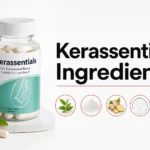
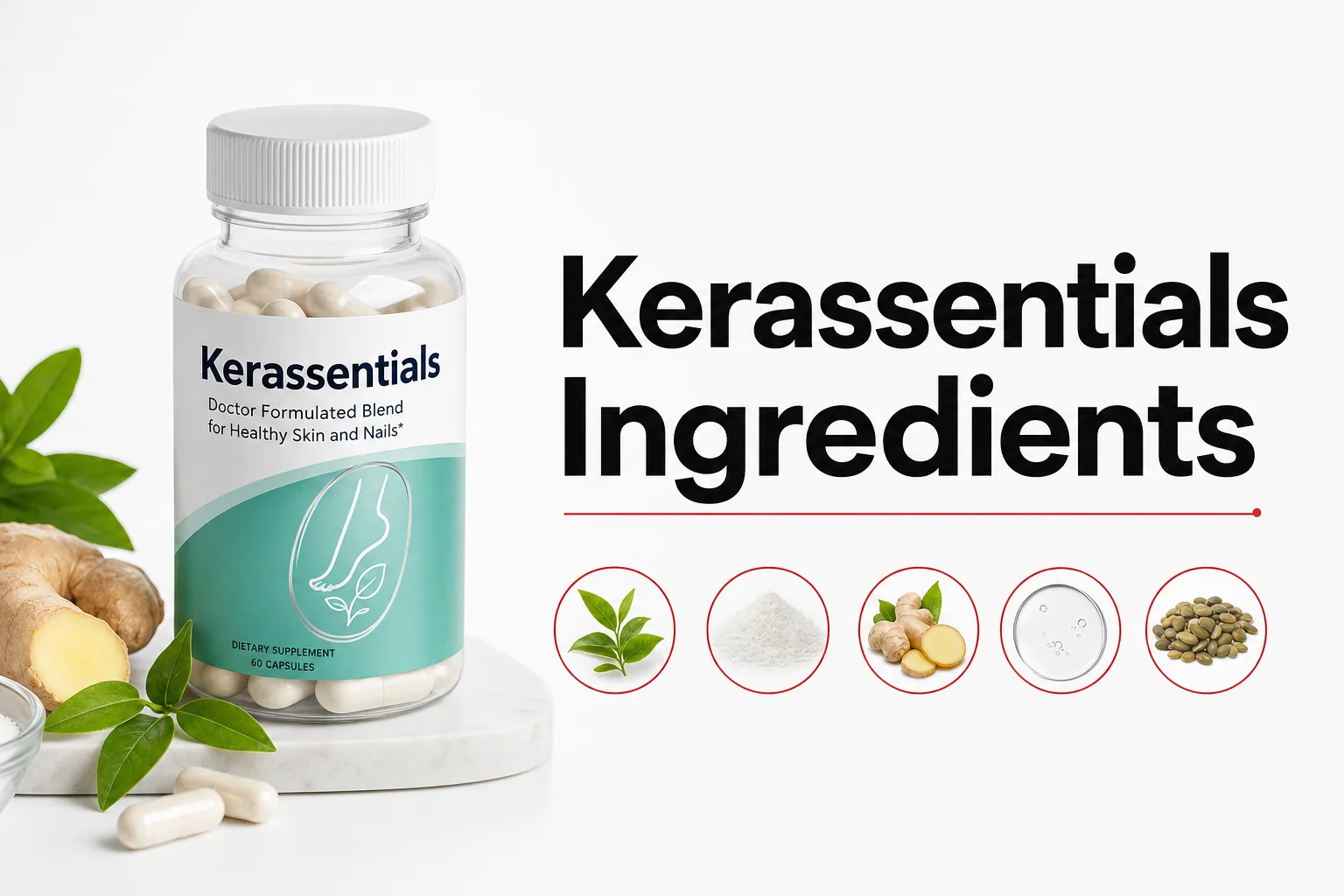
In short, Kerassentials’ ingredient list is mostly plant-sourced oils and one pharmaceutical antifungal. The most up-to-date official label (2026) typically includes: Check the official listing for current details and refund conditions before buying Kerassentials Ingredients.
- Undecylenic Acid (5%)
- Tea Tree Oil
- Lavender Oil
- Sweet Almond Oil
- Organic Flaxseed Oil
- Lemongrass Oil
- Aloe Vera
- Tocopheryl Acetate (Vitamin E)
- Clove Bud Oil
- Manuka Oil
- Camphor
- Menthol
Labels for some older bottles (2022–2025) or reviewer sources may show tiny differences, with occasional extra essential oils or adjusted order/amounts. The vendor does not publish a detailed per-ingredient mg/mL measurement, but undecylenic acid is reliably stated at 5%. Whether Kerassentials Ingredients is suitable depends on individual needs, the product details, and the evidence available.
No artificial colors, fragrances, or parabens are indicated. The carrier base is pure plant and vitamin oils. Treat claims about Kerassentials Ingredients cautiously unless they can be confirmed by reliable, independent sources.
Bottom line: The Kerassentials ingredients list is all natural-oil based, but formula tweaks mean the scent and feel may shift slightly between batches.
Active Ingredients and Their Roles
In short, each Kerassentials ingredient has a specific role, but scientific support is varied. Here’s an ingredient-by-ingredient look at what research says—and doesn’t say. Compare Kerassentials Ingredients with alternatives using transparent criteria rather than promises alone.
- Undecylenic Acid (5%) – A common over-the-counter antifungal, FDA approved for athlete’s foot. No strong clinical trials as a primary treatment for nail fungus, but it’s often included in topical nail formulas. Works best on skin, not always on hard nails.
- Tea Tree Oil – Used for its scent and potential anti-fungal and anti-bacterial properties. US studies on nail fungus are limited to a few small, older trials (one in 1994), with no modern broad-scale evidence. May reduce mild nail odor.
- Lavender Oil – Commonly used for skin soothing. Research is mostly lab-based and shows weak anti-fungal potential, but not studied in large US nail trials. Can be irritating to sensitive skin.
- Sweet Almond Oil – Used as a lightweight moisturizer and base. Safe for most, but a true allergen for anyone with tree nut allergies; rare reactions possible. Supports hydration, not fungus.
- Flaxseed Oil – Rich in omega-3 fatty acids, generally included for moisturizing, but no studies link it to nail fungus. Considered low allergy risk except for direct seed allergy.
- Lemongrass Oil – Adds scent and has weak in vitro anti-fungal potential. No good clinical evidence for treating nail fungus. Possible skin irritant.
- Aloe Vera – Included for its soothing and hydrating abilities. The active gel is widely used for minor skin irritation; not directly antifungal, but helps skin comfort.
- Tocopheryl Acetate (Vitamin E) – An antioxidant used to soften and condition skin. No clinical proof for fungus but helps with general cuticle health.
- Clove Bud Oil – Cited for anti-microbial action in lab studies, but not proven for nails. Clove is a moderate skin sensitizer for some.
- Manuka Oil – Related to tea tree oil, lab-only anti-fungal evidence, rarely used in US dermatology practice for nails.
- Camphor and Menthol – These add a cooling, soothing feeling and fragrance. Their evidence comes from small studies of Vicks VapoRub, with only mild nail improvement in limited, uncontrolled trials.
Bottom line: While each active has a logic behind it, only undecylenic acid and tea tree oil have seen human research for foot and nail fungus—results in the US are modest at best. When researching Kerassentials Ingredients, separate independently verifiable information from claims made in advertisements.
>> Read The Ingredients, Science & Customer Feedback On The Official Website
Ingredient Safety and Possible Side Effects
In short, most Kerassentials ingredients are considered safe for topical use in healthy adults but come with some risks—especially for those with allergies or very sensitive skin.
- Essential oils (lavender, lemongrass, tea tree, clove, manuka) – Possible skin irritation, especially with frequent use. Stop use if redness, rash, burning, or swelling develops.
- Sweet almond oil – A known tree nut allergen. Avoid if you have nut allergies. In rare cases, can cause hives or swelling.
- Menthol and camphor – Can cause cooling or tingling; rare users report burning or stinging. Avoid on open wounds.
- Undecylenic acid (5%) – Generally safe for healthy US adults, but may irritate highly sensitive skin. Do not apply to broken skin or ingest.
- Other ingredients – Aloe and vitamin E are low risk, but high doses of tocopheryl acetate can rarely cause mild rash for some.
Pregnant, breastfeeding, or chronic skin conditions? Ask your healthcare provider before applying any essential oil-based product. Keep out of reach of children. A balanced assessment of Kerassentials Ingredients should include limitations as well as any potential advantages.
There are no reports in US research of permanent side effects from the listed ingredients in healthy adults, but always patch test first. Seek medical help for any major reaction. Readers considering Kerassentials Ingredients can use these checks to make a more informed comparison.
>> See Full Details, Label Information & Refund Terms On The Official Website
Bottom line: Kerassentials is safe for most US adults, but allergies and irritation are possible. The tree nut oil is a real concern for allergic users. Before relying on claims about Kerassentials Ingredients, look for clear product details and trustworthy supporting evidence.
Science Behind Each Core Ingredient
In short, only undecylenic acid and tea tree oil have limited human research for nail concerns—most others are supported only in lab (in vitro) settings or as skin moisturizers. A careful comparison of Kerassentials Ingredients starts with the seller’s terms, the published details, and independent sources.
- Undecylenic acid – FDA approved for skin (athlete’s foot), but human trials for nail fungus are weak; may support appearance but not full clearance.
- Tea Tree Oil – Few small, old clinical trials with possible minor improvements in mild cases; not approved as a primary US therapy for nail fungus.
- Camphor & Menthol – Limited evidence from Vicks VapoRub foot studies. Some users report mild improvement, but not a cure for onychomycosis.
- Lavender, lemongrass, clove, manuka – Shown to inhibit fungus only in a petri dish—no real-world proof for human nails. Used mostly for fragrance and supporting skin comfort.
- Flaxseed, aloe, vitamin E, almond oil – Moisturizing and soothing, no antifungal effect in clinical studies.
Bottom line: The best-supported ingredients still lack robust US clinical evidence for tough nail fungus, but may offer simple hydration and mild support. When reviewing Kerassentials Ingredients, look for specific information that a reader can independently verify.
Comparing Ingredient Labels: What’s Changed?
In short, there’s been some minor label drift in Kerassentials formulas. Old labels listed 9–11 ingredients (core oils, undecylenic acid, aloe), while the latest batch (2025–2026) sometimes lists a few more (like clove, manuka oil, menthol, camphor). The strongest assessment of Kerassentials Ingredients explains both what is known and what remains uncertain.
The vendor hasn’t officially disclosed the reason for these tweaks. Most base formulas remain similar, but the look, scent, and potential minor irritants could shift slightly by batch. Anyone comparing Kerassentials Ingredients should confirm that the product page and seller policies are current.
If you’re concerned about allergies or consistency, always double-check the ingredient panel on the outer box when your order arrives—especially for nut or essential oil sensitivities. For Kerassentials Ingredients, a transparent review should distinguish confirmed facts from opinions and promotional claims.
>> Check Current Package Options & Official Pricing Here
Bottom line: While Kerassentials is described as all natural, formula details may change. Stay alert to new potential allergens or scent changes if you’re a repeat user. Check whether the evidence cited for Kerassentials Ingredients directly supports the claim being made.
Pros and Cons Highlighted by People Who Tried Kerassentials
In short, here’s what US-based reviewers and product forums most often mention—good and bad. A sensible buying decision about Kerassentials Ingredients weighs the price, terms, alternatives, and available evidence.
✅ Pros
- Plant-based, natural formula – Satisfies people seeking essential oil solutions.
- No artificial additives or parabens – Positive for those with chemical concerns.
- Moisturizing effect – Nails and cuticles appear softer and less brittle.
- Subtle pleasant scent – Light herbal fragrance compared to harsh topical fungus creams.
- Money-back guarantee – US 60-day refund policy, even for used bottles.
❌ Cons
- Limited clinical evidence – Not proven to clear nail fungus or tough nail changes.
- Must be used 4x daily – Frequent application is required, which can be inconvenient.
- Allergy risk – Contains sweet almond oil (tree nut), plus essential oils.
- BBB F rating for the seller – Some US consumers report slow responses or difficulty with refunds.
- Possible mild skin irritation – Itching or redness, especially with essential oils.
Overall: Kerassentials is appealing for plant-based shoppers, but results vary and allergy checks are a must.
>> Looking For A Natural Wellness Option? See The Full Details Here
Side Effects and How to Manage Them
In short, most users tolerate Kerassentials well, but mild reactions are always possible.
Mild and common
- Minor skin irritation – Redness, burning, or itching during or after application.
- Sensitive skin reactions – Especially in those prone to eczema or dermatitis, due to essential oils.
Rare but possible
- Allergic reactions – Most commonly from almond oil, but also possible with any essential oil. Can include swelling, rash, or (very rarely) breathing trouble upon skin absorption.
- Eye or mucous membrane contact – If the oil gets into your eyes or mouth by accident, rinse thoroughly with water and seek medical advice if irritation persists.
What to do if you notice a reaction?
- Wash off with mild soap and warm water right away.
- Apply a soothing, unscented moisturizer if needed.
- For persistent rash or swelling, call your healthcare provider.
Bottom line: Always patch-test Kerassentials on a small area before first use, especially if you have a history of allergies or sensitive skin.
Ingredients at a Glance
Kerassentials Key Ingredients
| Ingredient | Main Role | Evidence Level |
|---|---|---|
| Undecylenic Acid (5%) | Antifungal | Emerging |
| Tea Tree Oil | Anti-microbial/fragrance | Limited |
| Lavender Oil | Calming scent, possible antimicrobial | Limited |
| Sweet Almond Oil | Moisturizer, carrier | Strong (for moisturizing) |
| Flaxseed Oil | Moisturizer | Strong (for moisturizing) |
| Lemongrass Oil | Fragrance, possible antimicrobial | Limited |
| Aloe Vera | Soothing, skin hydration | Strong (for soothing) |
| Tocopheryl Acetate | Vitamin E, antioxidant | Strong (for skin support) |
| Clove Bud Oil | Fragrance, lab-only antimicrobial | Emerging |
| Manuka Oil | Lab-only antimicrobial | Limited |
| Camphor, Menthol | Cooling, scent | Emerging |
Amounts only confirmed for undecylenic acid (5%).
Practical Takeaways: Is Kerassentials a Good Fit for You?
In short, Kerassentials may support nail and skin appearance, but has weak US research backing for treating nail fungus.
If you want pure and natural
Clean plant-based oil formula – Kerassentials is free from artificial colors and parabens, so it matches well if you avoid chemical-laden products. Its scent is herbal and mild.
If you have nail fungus or tough nails
Weak scientific backing for tough cases – Don’t expect a miracle. The two core actives (undecylenic acid and tea tree oil) offer limited support at best. It’s more of a gentle adjunct than a primary solution for significant nail problems.
Allergy or skin worries?
Check for almond oil and patch-test – People with tree nut or essential oil sensitivity should talk to a doctor or dermatologist first. Patch-test on the inside of your forearm and check for 24 hours before wide use.
Bottom line
>> Click Here To Visit The Official Website & Review The Latest Offers
Kerassentials’ strengths are natural oils, a nice scent, and basic skin softening. If you’re after clinical-grade results for stubborn nail fungus, US pharmacy options (such as prescription antifungals) remain much more strongly evidence-backed. If you want moisturizing and nail support without harsh chemicals, Kerassentials is a reasonable fit—as long as you keep allergy risks in mind.
Kerassentials Ingredients FAQ
What are the main ingredients in Kerassentials?
The main Kerassentials ingredients are undecylenic acid (5%), tea tree oil, lavender oil, sweet almond oil, flaxseed oil, lemongrass oil, aloe vera, tocopheryl acetate (vitamin E), and additional essential oils and botanical extracts. Ingredient order may vary by batch.
Is there anything artificial in Kerassentials?
No artificial colors, fragrances, or parabens are listed on the current official Kerassentials label. The formula is marketed as all-natural, plant-sourced oils and vitamins.
Are Kerassentials ingredients safe?
For most healthy US adults, Kerassentials ingredients are generally safe for topical use. There are real risks of irritation or allergic reaction, especially for people with nut or essential oil allergies. Always patch test first and consult a healthcare provider if you have chronic skin issues or are pregnant or breastfeeding.
How do the ingredients help with nail fungus?
Undecylenic acid is approved as an antifungal for athlete’s foot and is often used in nail-care products, but human studies for nail fungus offer only weak support. Tea tree and some other oils show limited in vitro antifungal activity; actual performance on toenail or fingernail fungus is not strongly proven in large clinical trials.
What is undecylenic acid and is it effective?
Undecylenic acid is a fatty acid derived from castor oil, approved by the FDA for athlete’s foot, and found at 5% in Kerassentials. The available evidence for nail fungus is limited and not as strong as prescription medications; it may help with mild symptoms or superficial issues but isn’t a guaranteed nail fungus solution.
Are there allergens in Kerassentials?
Related guides
- Kerassentials Official Website: how to avoid fake sellers and find the real store
- Buy Kerassentials: where to buy safely and how to spot counterfeit sellers
- Kerassentials Scam Or Legit: red flags and the evidence-based verdict
- Kerassentials Reviews: pros, cons and who it suits
- Kerassentials Where To Buy: where to buy safely and how to spot counterfeit sellers
Yes. Kerassentials contains sweet almond oil, a tree nut allergen, and several essential oils, which can trigger reactions in sensitive users. If you have allergies to nuts, botanicals, or fragrances, use caution and consult your doctor before use.
Has the formula changed over time?
Yes. Kerassentials ingredient labels have shifted slightly year to year, adding or removing some essential oils and fragrances. Always check your bottle’s final label if allergies or sensitivities are a concern.
Research notes
Sources consulted during preparation (listed without external hyperlinks): keraassentials.com, usa-kerasentials.com, kerassentials.co, kkerassentials.com, provenutra.com, reddit.com.