Independent review. We are not affiliated with the manufacturer of Breathe. We may earn a commission if you purchase through our affiliate links, at no additional cost to you.
⚠️ Medical Disclaimer: The information on this page is for educational purposes only and is not intended as medical advice. Dietary supplements are not drugs and are not evaluated by the FDA to diagnose, treat, cure, or prevent any disease. Always consult a qualified healthcare provider before starting any new product. Individual results may vary.
Before deciding on Breathe Ingredients, compare the current price, return terms, and what the seller actually promises.
Table of Contents
Table of Contents
Breathe Ingredients: Direct Facts, Evidence, and Buyer Risks (2026 Update)
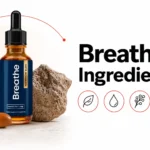
Breathe ingredients include a proprietary blend of herbs and botanicals promoted for lung and respiratory support, but the label does not disclose exact amounts for each component. Research shows some of these herbs have traditional use for comfort and mild mucus support, but there’s no strong clinical evidence the Breathe supplement itself offers guaranteed results or is any more effective than similar blends. Safety is generally good for healthy adults, but caution is needed if you take medication or have sensitivities. The money-back guarantee and authenticity protections can be confusing—double-check the official details before buying.
What Reviewers Commonly Report
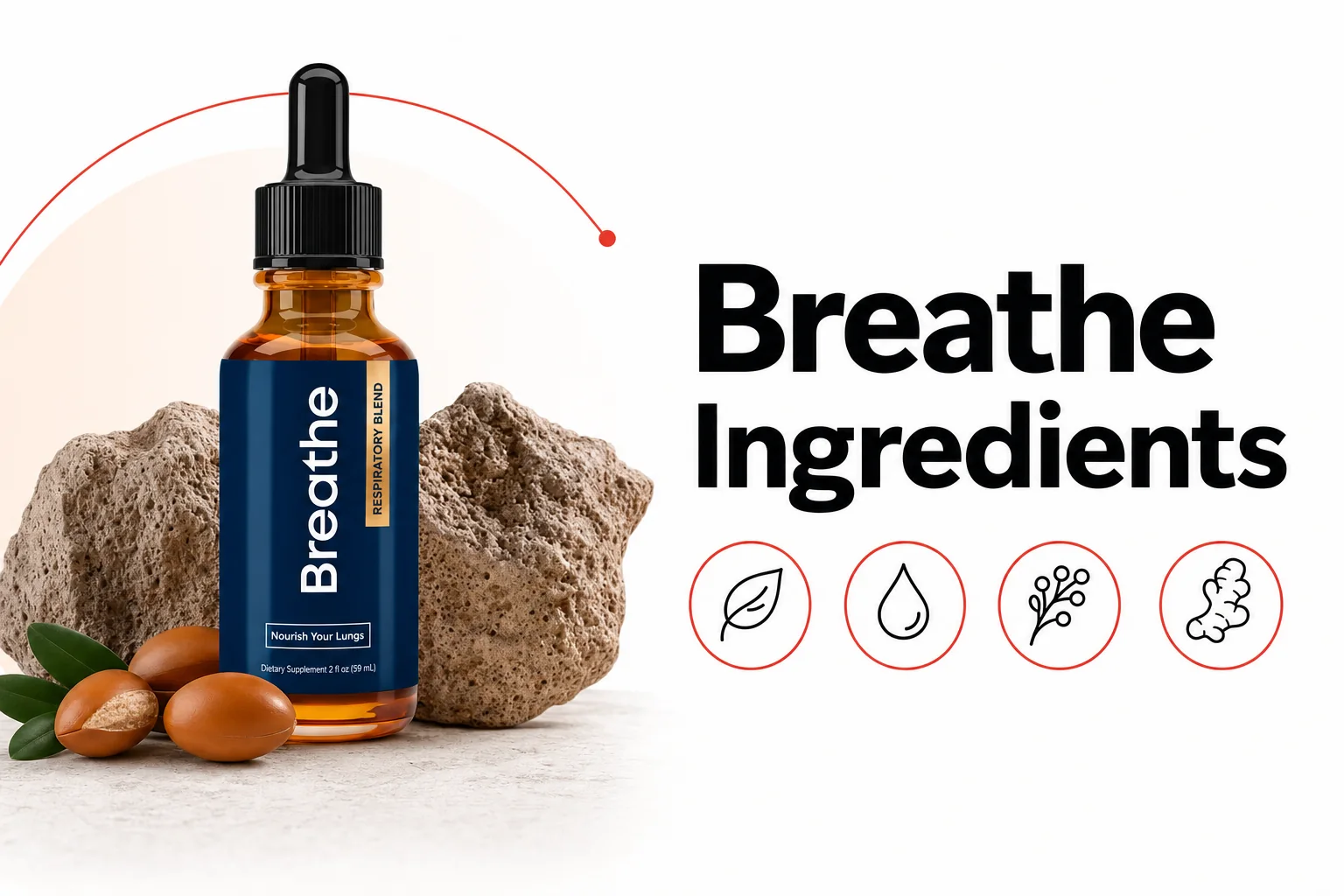
Repeated themes — Most reviewers and ingredient spotlights highlight the same eight to nine plant-based ingredients: wild-crafted mullein leaf, peppermint, ginger root, lemon peel, honey, thyme, marshmallow, plantain, elderberry, lobelia, and sometimes cordyceps or vasaka. They emphasize the US-made formula, non-GMO claims, and no major allergens. A useful Breathe Ingredients review separates verifiable details from promotional language.
Label concerns — Nearly all independent reviews note the proprietary blend (one lumped-together mg amount) makes it impossible to compare against clinical research or to verify if any ingredient is present at a useful dose. Readers assessing Breathe Ingredients should check the product details and the source behind each important claim.
Mixed Signals and What They Mean
No clinical trials — There are no published US clinical studies on the finished Breathe tincture product. Research cited in marketing materials is mostly general or from studies unrelated to the actual formula. Any conclusion about Breathe Ingredients should reflect the available evidence, not just testimonials or advertising.
Allergen and purity questions — Official sites claim no soy, gluten, dairy, peanuts, or shellfish, but third-party test results are not shared on public pages. There’s also inconsistency about independent lab verification. Some outlets reference GMP facility claims and US manufacturing, but direct proof (beyond written statements) is not supplied. Check the official listing for current details and refund conditions before buying Breathe Ingredients.
Bottom line: The Breathe supplement uses widely known herbs for lung comfort, but all amounts are bundled in a proprietary blend, so real-life effects or safety can’t be guaranteed. Always check if your bottle is authentic and review all potential allergy and interaction risks. Whether Breathe Ingredients is suitable depends on individual needs, the product details, and the evidence available.
| Breathe Ingredients – Key Facts at a Glance | |
|---|---|
| Product Name | Breathe (Herbal Tea Therapy) Liquid Drops |
| Type | Botanical supplement for respiratory/lung support |
| Form | Liquid tincture (dropper bottle) |
| Serving/Daily Dose | Not stated; bottle label: 1–3 drops 2–3 times daily (official instructions) |
| Key Ingredients | Mullein leaf (wild-crafted, extract); Peppermint leaf; Ginger root; Lemon peel; Manuka honey; Thyme leaf; Marshmallow root; Plantain leaf; Elderberry; Lobelia; (cordyceps and vasaka appear only on some variant labels) |
| Proprietary Blend | 550mg per 1mL (individual ingredient amounts not disclosed) |
| Best For | US adults interested in herbal respiratory comfort; not a treatment for medical conditions |
| Allergen Info | Manufacturer claims no gluten, soy, dairy, peanuts, or shellfish |
| Third-Party Tested? | No public proof available |
| Money-Back Guarantee | Conflicting claims: 90-day or 180-day (always check current official terms) |
| Availability | Exclusively via official website and approved affiliate portals |
Real-World Feedback on Breathe Ingredients
In short, public feedback on Breathe ingredients comes mostly from affiliate-linked and official pages, with limited independent user reviews. The discussion centers on traditional herbal uses and the lack of transparent dosing, while some buyer comments raise cost and formula consistency issues.
What People Typically Notice
Common reports — Users (mostly quoted by official channels or second-hand reviews) say they like the gentle, non-synthetic ingredient profile and light taste. There are anecdotes about easier breathing or improved lung comfort—none objectively verified. Some users mention a slight herbal burn or aftertaste; a minority say they can’t detect any effects at all. Treat claims about Breathe Ingredients cautiously unless they can be confirmed by reliable, independent sources.
Consistent negative themes — Several review aggregators and a handful of user comments (where available) mention frustration with the high price per bottle, confusion over the real refund period, and skepticism about whether the proprietary blend is truly unique compared to cheaper herbal tinctures on sites like Amazon or Walmart. Compare Breathe Ingredients with alternatives using transparent criteria rather than promises alone.
Mixed and Unverified Results
Effectiveness split — Some users notice mild temporary benefits, but others experience no change, suggesting that responses are highly individual or that the actives may be under-dosed. When researching Breathe Ingredients, separate independently verifiable information from claims made in advertisements.
Why variability happens — This may result both from the subjective nature of breathing comfort and from batch inconsistency. The lack of per-ingredient mg strengths means you can’t know for sure if each bottle delivers what it claims, especially compared to supplements that list standardized or verified extracts. A balanced assessment of Breathe Ingredients should include limitations as well as any potential advantages.
Bottom line: Most feedback is indirect and should be approached with skepticism; there’s almost no independent US peer-reviewed feedback confirming the specific effects of Breathe ingredients at their actual dose levels.
How Effective Is Breathe? An Independent Ingredient Perspective
In short, Breathe tincture ingredients individually have some evidence for soothing airways or respiratory comfort, but independent clinical studies on the finished product are lacking. Much of the official evidence is based on traditional use or animal/cell studies rather than human trials at actual label strengths. Readers considering Breathe Ingredients can use these checks to make a more informed comparison.
What the Evidence Really Shows
Mullein leaf — Traditionally used for cough and irritation; laboratory studies suggest anti-inflammatory properties, but human trials as a supplement are scarce. HelloPharmacist ranks the evidence as “insufficient” for clear respiratory effects. Before relying on claims about Breathe Ingredients, look for clear product details and trustworthy supporting evidence.
Peppermint (leaf, oil) — May give a cooling sensation and offer mild soothing, but reviews identify that peppermint oil, while refreshing, is not proven to directly support lung function in supplement form. Large doses could sometimes cause heartburn or GI upset. A careful comparison of Breathe Ingredients starts with the seller’s terms, the published details, and independent sources.
Ginger root — Backed by more robust research for digestive comfort than for lungs. A few studies suggest anti-inflammatory and antispasmodic effects, but most use extracts at much larger doses than typical tincture drop levels. When reviewing Breathe Ingredients, look for specific information that a reader can independently verify.
Lemon peel — High in antioxidants, but there’s little or no specific research supporting a benefit for respiratory health as an isolated ingredient in supplements. The strongest assessment of Breathe Ingredients explains both what is known and what remains uncertain.
Manuka honey — Promoted in the formula for its known antimicrobial and soothing effects; direct evidence for respiratory support via tincture drops is not established. Anyone comparing Breathe Ingredients should confirm that the product page and seller policies are current.
Thyme leaf — Used for centuries as a cough remedy; some research links thyme extracts (often in combination with ivy) to upper respiratory comfort. No major safety signals, but again, most evidence is from traditional practice, not controlled US studies. For Breathe Ingredients, a transparent review should distinguish confirmed facts from opinions and promotional claims.
Marshmallow root, plantain leaf, elderberry, lobelia, cordyceps, vasaka — These ingredients are seen in various Breathe formula labels, but all suffer from a lack of US dosage-standardized certification. Traditional medicine uses marshmallow and plantain for soothing throat irritation, elderberry for immune defense (more research as syrup/extract than as drops), and lobelia for breathing support (but with potential for nausea/side effects in higher doses). Check whether the evidence cited for Breathe Ingredients directly supports the claim being made.
Typical Experiences and Why Results Can Differ
Highly individual — People’s responses range from feeling slightly soothed with repeat dosing, to feeling no effect. As with any herbal blend, expect variable, subtle outcomes, and remember that even clinical best-case scenarios are rarely dramatic or fast-acting. A sensible buying decision about Breathe Ingredients weighs the price, terms, alternatives, and available evidence.
Proprietary blend limits — Because no per-ingredient mg are disclosed, even the best evidence (usually 200mg, 500mg or more per herb in studies) can’t be directly compared to what’s in Breathe. Actual amounts per serving may be lower than minimum effective doses. Look at the full context before accepting a headline claim about Breathe Ingredients.
>> Read The Ingredients, Science & Customer Feedback On The Official Website
Bottom line: Breathe ingredients may be comforting to some users but cannot be expected to replace evidence-based therapies for airway function. Users should adjust expectations accordingly and always discuss with a health professional before adding to a routine, especially alongside other supplements or prescriptions.
Pros and Cons Highlighted by People Who Tried Breathe Ingredients
In short, the main appeals of Breathe are natural formulation and traditional herb choices, but the biggest drawbacks are high cost, lack of transparent dosing, and unproven claims for measurable lung benefit. A fair review of Breathe Ingredients should mention meaningful limitations as well as possible benefits.
- Pros: Clean ingredient list with no artificial fillers, US-based production, easy-to-use liquid drops, and herbs with a long tradition of use for respiratory comfort. Packaging is shelf-stable and discreet, and customer service is generally responsive for legitimate warranty inquiries.
- Cons: No breakdown of how much of each ingredient you get per dose, so it’s impossible to validate if label matches research-backed amounts. Price is higher than many comparable US herbal blends. Multiple copycat versions and misleading marketing exist, with some fake sellers using the same name/images. No peer-reviewed evidence on the finished Breathe supplement, and refund claims are not always simple to action.
Bottom line: If you value transparency and robust clinical support, Breathe’s current formula raises valid questions. If you’re comfortable with a traditional-style herbal blend as a comfort aid, with modest and unpredictable effects, it might suit you—but it’s not a substitute for actual medical therapies. Before choosing Breathe Ingredients, compare the details with at least one reliable independent source.
How Does Breathe Compare to Other Lung Support Supplements?
In short, Breathe shares most of its core ingredients with competing herbal lung support drops and capsules, but stands out for marketing under the proprietary blend label and a higher average price. Some major US competitors provide full mg-per-herb breakdowns, direct third-party lab certification, and clearer refund/return policies. Readers can assess Breathe Ingredients more carefully by checking current terms instead of relying on old summaries.
- Label Transparency: Products from recognized US supplement brands sometimes spell out the exact mg per herb and reference standardized extracts, making it easier to match to evidence. Breathe groups all ingredients into one 550mg per 1mL proprietary blend, so you don’t know the strength of any one herb.
- Formula Consistency: Brands listing batch codes and third-party test proof (for contaminants/heavy metals) build more trust. Breathe’s official pages mention GMP and US production, but do not post lab tests publicly.
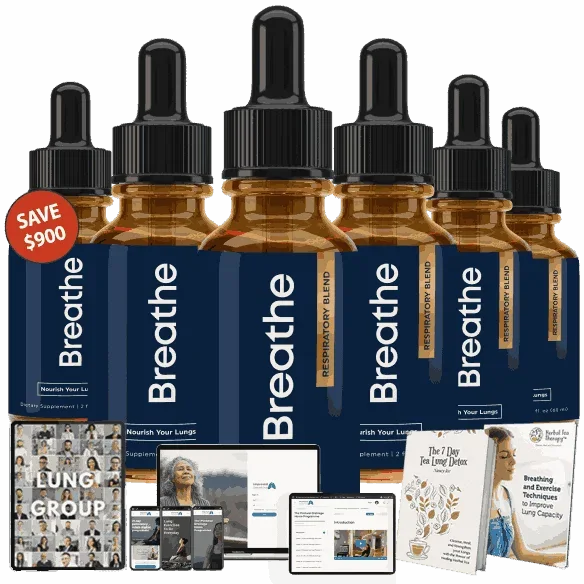
- Price & Refunds: At $49–$79 per bottle (depending on bundle), Breathe is pricier than many similar herbal blends sold in US retail or through direct-to-consumer supplement companies. Conflicting refund duration (90 vs 180 days) adds confusion.
- Copycats and Imposters: There are multiple lookalike “Breathe” products online; always verify the exact brand (Herbal Tea Therapy) and buy from the official website.
Bottom line: Breathe does not supply uniquely researched or stronger ingredients than its top US competitors; the main difference is the branding, the proprietary blend (rather than full label transparency), and the absence of published third-party testing details. If those matter to you, shop carefully and consider batch-verified alternatives for peace of mind. Any recommendation about Breathe Ingredients should be based on the reader’s needs and verifiable information.
>> See Full Details, Label Information & Refund Terms On The Official Website
Pros and Cons of Breathe
In short, Breathe has strengths in formulation and sourcing, but real limitations in evidence, transparency, and cost. For a balanced view of Breathe Ingredients, give more weight to clear evidence than to unverified testimonials.
- ✅ Pros
- All-Natural Botanicals – Clean profile with well-known herbs, no artificial flavors or synthetic fillers.
- US-Manufactured – Claims of production in a US-based, GMP-compliant facility (though direct proof is not published).
- Free from Major Allergens – Marketed as gluten-, soy-, dairy-, and nut-free.
- User-Friendly Liquid Form – Easy to dose, no need to swallow pills.
- Money-Back Guarantee – Refund offered if requested within official policy window (verify the current claim before you order).
- ❌ Cons
- No Per-Ingredient Dosage Disclosure – The blend masks exact herb strengths, making evidence comparison impossible.
- Lack of Independent Testing Proof – No third-party lab results published for contaminants or label accuracy.
- High Price Point – Tends to be more expensive per serving than direct competitors.
- Mixed Refund Policy Messaging – Contradictory guarantee periods across marketing and FAQ pages.
- No Unique Clinical Evidence – No human studies on the finished formula at stated doses.
- Copycat Risks – Multiple knockoff brands online; buyers may receive incorrect or mismatched products.
Side Effects, Allergens, and Safety: What Buyers Should Know
In short, most Breathe ingredients are considered safe in small amounts by healthy adults, but herbal drops can cause digestive discomfort or allergic reactions in sensitive users. No public records of severe adverse events exist for Breathe, but rare side effects are possible, especially in those with plant allergies or who are on prescription medication.
Reported and Theoretical Side Effects
Mild issues — Some people experience mild gastrointestinal irritation, herbal aftertaste, or heartburn, particularly from peppermint or ginger. Doses are likely low, but proprietary blend labeling makes comparison to known-safe dosages difficult. Review the latest product information before making a decision about Breathe Ingredients.
Less common risks — Marshmallow, plantain, or lobelia can, in higher doses, cause nausea or allergic reactions (especially in those allergic to their plant families). People sensitive to honey should avoid formulas containing manuka honey. Comparing Breathe Ingredients against alternatives can reveal differences that promotional copy may not explain.
Allergens and Additives
No major US allergens listed — Breathe liquid drop formulas do not list soy, dairy, gluten, peanuts, or shellfish. Always check the current bottle, especially if you have a serious dietary restriction or medical allergy. The details available for Breathe Ingredients may change, so confirm current information before acting.
How to check — Confirm allergen claims by checking the actual product label or verifying with official website support before your first order. If you have severe allergies or sensitivities, consult a doctor or registered dietitian first.
Medication Interactions and Precautions
Interactions possible — Herbs like ginger, peppermint, and thyme can, in theory, interact with blood thinners, blood pressure meds, anti-inflammatory drugs, or diabetes medications. Peppermint may worsen acid reflux in some users. If you’re on medication, get a professional’s opinion before use.
What About Children, Pregnancy, and Long-Term Use?
Not for children or pregnancy — No safety data is provided for those under 18, pregnant, or breastfeeding. Herbal tinctures are generally not recommended in these situations due to unknown cumulative effects.
>> Check Current Package Options & Official Pricing Here
Bottom line: Stick to label instructions. If you notice itching, swelling, or persistent stomach upset, stop using Breathe and contact your doctor. Always keep track of your batch/lot number for reporting.
Ingredients at a Glance: Evidence and Role Table
| Ingredient | Main Role | Evidence Level |
|---|---|---|
| Mullein (wild-crafted, extract) | Traditional cough and airway soother | Emerging |
| Peppermint (leaf, oil) | Refreshing taste, mild cooling effect, comfort | Limited |
| Ginger root | Anti-inflammatory, mild respiratory/immune support | Moderate (for digestion) |
| Lemon peel | Antioxidant source, possible immune boost | Limited |
| Manuka honey | Soothing throat, antimicrobial claims | Emerging |
| Thyme leaf | Traditional cough/airway comfort herb | Emerging (some in syrup studies, not drops) |
| Marshmallow root | Soothing irritated tissues (traditionally throat/lung) | Limited |
| Plantain leaf | Traditionally supports mucous membrane comfort | Limited |
| Elderberry | Mild immune system support (typically as syrup) | Moderate for cold/flu; Limited for lungs |
| Lobelia | Traditional use for breathing support | Limited |
| Cordyceps, Vasaka* | Claimed lung support (on some variant labels) | Very limited (no human clinical data in supplement form) |
*Only appears in some variant Breathe formulas; always check your batch label.
What to Know Before You Buy: Transparency, Authenticity, and Refunds
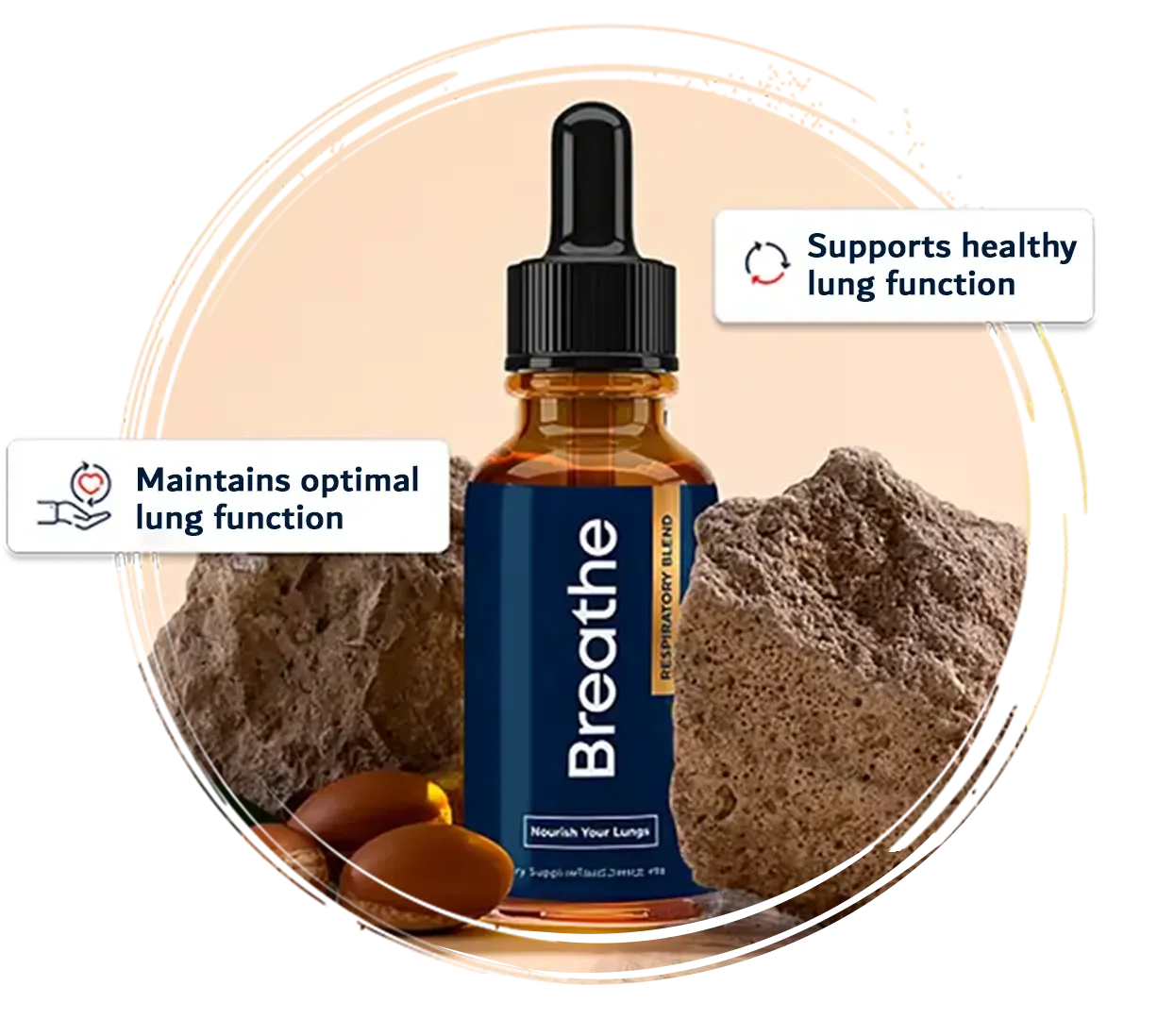
In short, the Breathe supplement formula lacks per-ingredient mg breakdown, has inconsistent marketing between refund terms, and faces increasing copycat risk. If buying, confirm official channels and current guarantee duration before purchase.
Ingredient Transparency and Proprietary Blends
Proprietary blend defined — Breathe lists a “proprietary blend” total of 550mg per serving (1mL), with no specific mg for mullein, peppermint, etc. By US supplement law, ingredients must appear in order by weight, but actual strengths are never given. This makes it hard to compare to competitors or to medical research on minimum effective doses.
Dosage consistency
Batch to batch — There’s no published batch analysis or standardized certificate of analysis available. You can look for lot numbers on the package and request proof from customer service, but results may vary. Consistency cannot be objectively verified without public lab results.
Third-Party Testing and Purity
Is it tested for safety? — Official pages mention GMP facility production, but there’s no certificate of third-party analysis for heavy metals, pesticides, or labeled actives—at least not available directly to US buyers. Any such reports would have to be requested (if available) from seller support.
How to Avoid Fake or Copycat Breathe Bottles
Your safety checklist — Only buy from the official website or its authorized affiliate links. Double-check the exact seller (should be Herbal Tea Therapy for US buyers), label graphics, and any batch numbers. If you see a price far below the official rate, or if labels use unrelated company names, it’s likely a copycat or counterfeit version.
How to Use the Refund or Money-Back Guarantee
Policy confusion — Some product pages state a 180-day guarantee, while the FAQ or fine print describes a 90-day window with shipping deducted. Refunds are processed through ClickBank. If you need to return, document all communications and keep your order information handy. Expect the refund process to require product return within the stated window.
>> Looking For A Natural Wellness Option? See The Full Details Here
Bottom line: Transparency and buyer safety are issues to monitor with Breathe. If you value maximum formula disclosure and batch-to-batch trust, you may want to seek out brands with published third-party verifications.
Practical Summary: Who Is Breathe For, and When Should You Skip It?
In short, Breathe is designed for US adults seeking a natural-ingredient, plant-based supplement for airway comfort, but is not a therapy for medical breathing problems and should be skipped if you’re pregnant, under 18, on prescription medication, or have a known allergy to any listed botanicals.
Best Uses and Limitations
Who might try it? — Adults who want to experiment with herbal blends for occasional cough or airway comfort, and who are comfortable with non-clinically dosed formulas. Those with very mild, lifestyle-related airway issues who have already ruled out medical causes might find it a gentle addition to self-care routines.
Who definitely should NOT? — People treating any respiratory condition needing medical care (acute or chronic), pregnant or breastfeeding women, those allergic to botanical families (mint, ginger, plantain), and anyone taking medicines with known potential interactions with herbs like ginger or peppermint.
How to Get the Most from Breathe
Practical advice — Start with a half-serving to check for sensitivity. Monitor for any side effects daily. Pair with a healthy lifestyle (don’t use as a replacement for doctor-recommended therapies). Keep a note of your batch/lot number and save original purchase receipts for any refund request.
Bottom line: Breathe offers a standard mix of classic respiratory botanicals with no major unique ingredients. Make sure you understand the limitations, verify authenticity, and know the refund rules before buying.
FAQs About Breathe Ingredients
What are the main ingredients in Breathe?
The Breathe supplement includes a blend of wild-crafted mullein leaf, peppermint leaf, ginger root, lemon peel, manuka honey, and thyme leaf. Some batches or marketing may also mention marshmallow root, plantain, elderberry, lobelia, cordyceps, or vasaka. All are blended into a single proprietary 550mg-per-mL dose.
Are Breathe’s ingredients safe and clinically studied?
Most ingredients are recognized as safe for healthy adults in typical food or tea quantities, but the blend’s actual strengths are not disclosed, so effects and risks are not fully predictable. Clinical research is limited for many herbs, especially at drop-level doses, and there are no direct trials on the finished Breathe formula in people.
Does Breathe contain any allergens?
Breathe is marketed as free from gluten, soy, dairy, peanuts, and shellfish. However, always check the label and consult your healthcare provider if you have a known allergy to plant ingredients or a medical-grade allergen concern.
Is Breathe tested for purity or quality?
The company claims US manufacturing in a GMP-registered facility, but does not publicly share third-party purity or contaminant lab reports. You can request available batch data from official support, but public test certificates have not been published to date.
Can I take Breathe with other supplements or medications?
Possibly, but caution is warranted. Herbs like ginger, peppermint, and thyme may interact with blood thinners, diabetes meds, or other drugs. Always consult a US-licensed pharmacist or doctor before adding to your routine, especially if you’re already on medication.
How does Breathe support lung health according to research?
Most claims rest on traditional uses of mullein, thyme, and peppermint for soothing airways or temporary cough relief. There’s no clinical evidence for the finished Breathe drop product at real-world doses. Use is best considered as a supplement for comfort, not as a treatment for any respiratory illness.
Takeaways for US Adults: The Real State of Breathe Ingredients
In short, Breathe offers a blend of familiar herbs with a safe profile for most adults, but due to proprietary labeling and absence of publicly available testing, there’s no way to be certain of individual ingredient strength or batch consistency. Real clinical evidence for its current formula is not available, and anyone with allergies, prescription medications, or significant health issues should consult a US provider before trying it.
Key points:
- All doses are proprietary; no per-herb mg breakdown is supplied
- Most ingredients are generally recognized as safe in modest dietary amounts, but allergy and interaction risks remain for sensitive users
- No FDA or FTC warnings found, but no peer-reviewed clinical proof for effects at label strengths
- Refund period and guarantee policy may be inconsistent, so carefully check the latest official terms at official website
- Always confirm you’re buying the US Herbal Tea Therapy formula, and monitor for possible counterfeit/copycat sites
Ultimately, Breathe’s main appeal is a plant-derived, familiar-ingredient profile and convenient drops format—the same as many lung herbal blends in the US supplement market. Actual clinical efficacy, transparency, and value for money remain open questions.
Further reading from public health sources: NIH Office of Dietary Supplements and FDA dietary supplement guidance.
Research notes
Sources consulted during preparation (listed without external hyperlinks): breathe-us.com, breathei.com, breathe-en.us, doseaudit.com, hellopharmacist.com, reviewsnexa.com, zapstoredigital.com, supplementskeptic.com, plainvitamins.com, bbb.org, producthunt.site, eng-en-us-breathe.com.