- Probiotic blend with several researched strains
- Ingredient doses are fully disclosed on the label
- Includes inulin (prebiotic fiber) and tricalcium phosphate (calcium source)
- Made in a GMP/FDA-registered facility (not FDA-approved)
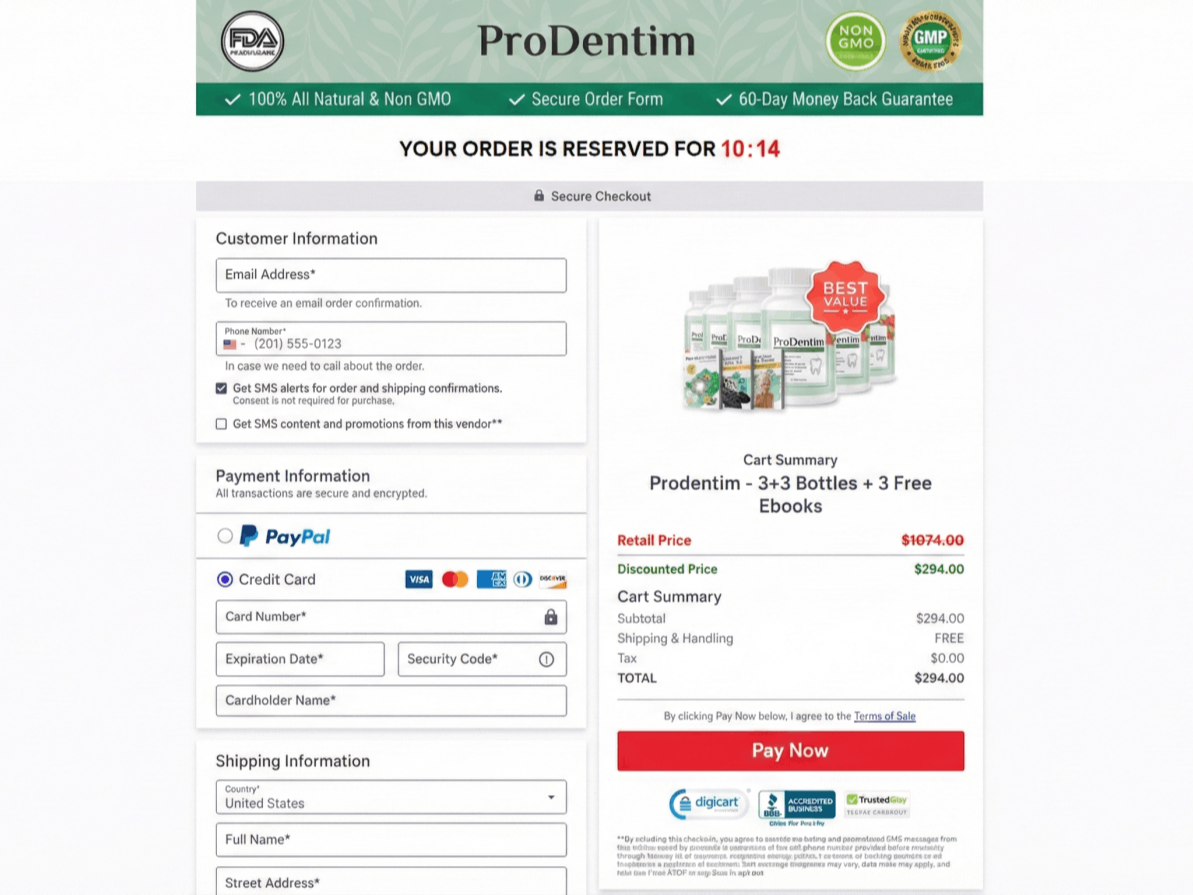
- Available with 60-day refund if ordered via official site
- Much of the science is early-stage and based on small studies
- Malic acid hyped in ads, but not listed on actual US product label
- Some users report minor side effects (gas/bloating/loose stool)
- Potential for fake/counterfeit products from non-official sellers
- No proof ProDentim cures, treats, or prevents any disease
Table of Contents
Why Ingredients Matter in ProDentim Official Website Products
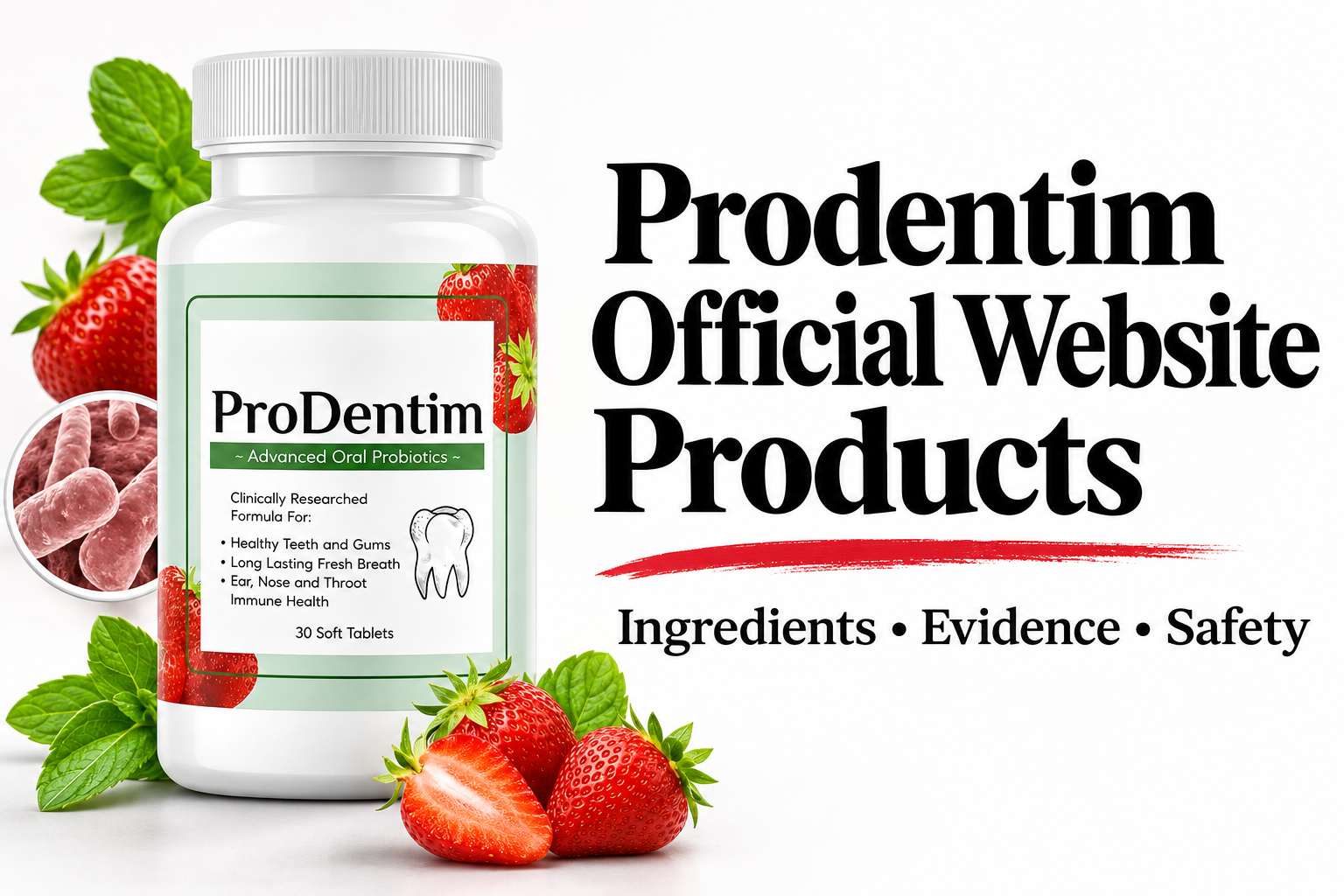
If you’re checking out the ProDentim official website products, you want to know: what’s really in these probiotic lozenges? Ingredient lists tell you more than any marketing video or celebrity endorsement. Whether you care about safety, allergies, or real-life effectiveness, the actual supplement facts label is what counts. This page covers every ingredient, how much is in each dose, and what science does—or doesn’t—say about each one.
This isn’t a generic product review or a sales pitch. For other angles, you might find our linked page on prodentim scam or legit helpful, or see more about how prodentim official website online order is handled. Here, it’s all about what really goes into your mouth if you pick the official USA product. When looking up Prodentim Official Website Products, confirm the latest package pricing, bottle label, and written refund terms directly on the checkout page.
Prodentim Official Website Products: ProDentim Supplement Facts ( Label)
According to the 2024 US supplement facts panel (source: the official ProDentim distributor, and the NIH Dietary Supplement Label Database), here’s what you’ll find in one lozenge of the ProDentim official website products:
- A proprietary probiotic blend: 3.5 billion CFU/serving (20 mg)
- Lactobacillus paracasei
- Lactobacillus reuteri
- Bifidobacterium lactis BL-04
- Streptococcus salivarius: 20 mg
- Inulin (from chicory root): 100 mg
- Tricalcium phosphate (exact amount not specified for consumers)
- Other ingredients: Natural flavors (peppermint, strawberry), stearic acid, xylitol, malic acid* (see next section), and more.
*Note: There’s confusion about malic acid (see below). It is promoted in marketing, but not present on the current US supplement label. Always check the label that comes with your actual product, as formulas may change. Anyone searching for Prodentim Official Website Products should compare the current seller details and return instructions before placing an order.
Probiotic Blend Breakdown (CFU, Strains, Uses)
The centerpiece of the ProDentim official website products is its mixture of probiotics and prebiotics. Here’s what you actually get per lozenge:
- Lactobacillus paracasei: A lactic acid bacteria found in fermented foods. Some small studies (see: Journal of Clinical Periodontology) suggest this strain may support gum and dental health, possibly reducing inflammation. Evidence in humans is early-stage and not consistent. Most research uses higher doses than found in one lozenge.
- Lactobacillus reuteri: Widely used in supplements for gut and oral health. Limited clinical data hints it might help with plaque and gum bleeding, but results are mixed and often strain-specific. Safety is good for most healthy adults, but rare users get temporary stomach upset.
- Bifidobacterium lactis BL-04: A probiotic with some evidence for gut/immune health and very limited evidence for oral support. Often included for general microbiome balance. Some people experience mild bloating during initial use.
- Streptococcus salivarius: Naturally found in the mouth; used in several oral probiotic lozenges. Small studies (Oral Diseases, Caries Research) connect it to fresh breath and some oral ecosystem support. Not all forms are equally studied—ProDentim does not contain the widely marketed BLIS K12/M18 forms.
Total Probiotic CFU: The official label for ProDentim official website products says 3.5 billion CFUs at manufacture. CFU (colony-forming units) measures live/proliferating microorganisms. Industry-wide, probiotic counts can drop over time before you pop a lozenge, but no specific “CFU at expiry” figure is provided by the brand.
Are These Probiotics Actually Supported by Science?
A few promising small studies suggest oral probiotics may help with gum health and fresh breath. But claims about cavity reversal, overnight gum improvement, or dramatic whitening are not proven by credible published research on these species and dosages.
Most effects—if any—are likely to be gentle and gradual. If you have severe dental or gum issues, these strains shouldn’t be used as a replacement for dental treatment.
Other Ingredients in ProDentim: Inulin, Tricalcium Phosphate, Flavors
Besides probiotics, the ProDentim official website products include several supporting additives:
- Inulin (from chicory root): 100 mg per lozenge. This is a prebiotic fiber—think “food for the probiotics.” Inulin is well-studied for supporting friendly gut bacteria, but oral effects are not strongly documented. Doses in ProDentim are lower than what some gut studies use. For some sensitive folks, inulin can cause gas or mild discomfort.
- Tricalcium phosphate: Used as a calcium source and flow agent. Some research indicates calcium phosphates have minor benefits for enamel when included in dental products—but the small amount here is likely more for tablet consistency, not a major health boost.
- Natural Flavors (peppermint, strawberry): These provide the lozenge’s flavor and mouthfeel. No clinical claims are associated with these ingredients. Those with rare allergies to flavors or peppermint leaf should take note.
- Other excipients and fillers: Xylitol (a sweetener that may help support oral health at larger doses), stearic acid (tablet form), and trace amounts of flavor compounds. All are considered safe for most adults. No artificial colors or major allergens are declared.
Malic Acid & Label vs Marketing Claims
If you’ve watched YouTube ads or read “ingredient breakdown” articles, you’ll often see malic acid hyped as a key whitening or “saliva production” agent. Here’s the reality: malic acid is not listed on the 2024 US supplement facts panel for ProDentim official website products. Some global versions or past formulas may have used it, but the bottles sold on the U.S. official site do not declare it as an ingredient right now.
Why does this matter? If whitening or a specific acid was your main attraction, double-check your package’s U.S. label for the facts. Ingredient panels—not marketing animations—are what matter legally and for your health.
Are ProDentim Official Website Product Ingredients Supported by Science?
Here’s a quick summary by ingredient:
| Ingredient | Main Use in Product | Research Status | Known Downsides |
|---|---|---|---|
| L. paracasei | Oral/gut probiotic | Some early studies for plaque/gum support; more research needed | Mild gut effects in some |
| L. reuteri | Oral/gut probiotic | Studied for gum and plaque; mixed evidence | Occasional stomach upset |
| B. lactis BL-04 | Gut/oral probiotic | Better evidence for gut, only limited oral studies | Rare gas/bloating |
| Strep. salivarius | Oral probiotic | Best studied for breath and oral flora, not a cavity cure | Minimal; rare sensitivity |
| Inulin | Prebiotic fiber | Well-established prebiotic; oral role unproven | Gas/discomfort in sensitive users |
| Tricalcium phosphate | Mineral/excipient | Safe, minor enamel support in some studies | None at label doses |
| Peppermint/Strawberry flavor | Flavor/experience | Common food/flavoring agents | Rare allergy |
Several independent reviews (see: KnowYourMouth, Provenutra) grade the total body of evidence as “promising but far from settled.” Probiotics and inulin both have long safety records in food and supplements. Dosages here are considered low-to-moderate. Anyone with immune issues, those on immunosuppressive drugs, or post-organ transplant should not take oral probiotics without a doctor’s OK.
If you’re looking for more direct experience with prodentim scam or legit or want a data-driven answer to does prodentim really work, check those pages next.
Allergen and Dietary Considerations
- Gluten-free: Yes (based on current label)
- Vegan/vegetarian: Yes (no animal-derived ingredients)
- Soy, nuts, dairy: None declared on the official product label
As always, those with rare ingredient allergies or sensitivities should check the label before use. If you have oral lesions, a compromised immune system, or chronic GI diseases, check with your health care provider before taking any high-CFU probiotic product.
Are All ProDentim Ingredients On the Label?
The ProDentim official website products in the USA list all required supplement facts by law. Confusion happens because many affiliate and sales pages copy old labels, foreign formulas, or pure marketing language. For your bottle’s precise formula, rely on the label that arrives with your order from the official site—not just web screenshots. As noted above, malic acid is NOT on the present U.S. label, even if some sales scripts mention it.
How the Ingredients Compare to Other Oral Probiotic Supplements
| Brand | Main Probiotic Strains | CFU (per serving) | Prebiotics/Other | Allergy/Diet Notes |
|---|---|---|---|---|
| ProDentim (official site) | L. paracasei, L. reuteri, B. lactis BL-04, S. salivarius | 3.5 billion (at manufacture) | Inulin, tricalcium phosphate | Vegan, gluten-free |
| BLIS Oral Probiotics | S. salivarius K12, M18 | 1–2 billion | Xylitol, isomalt | Vegetarian, may contain dairy |
| NOW OralBiotic | S. salivarius K12 | 1 billion | FOS, stearic acid | Vegetarian, contains milk |
| NatureWise Oral Health Probiotics | L. paracasei, L. reuteri, S. salivarius | 5 billion | Inulin | Vegan, gluten-free |
Summary Verdict on ProDentim Official Website Product Ingredients
- Every active ingredient is present as declared on the label—there is no “mystery” blend.
- Probiotic and prebiotic doses are within normal supplement ranges and are considered safe for most adults at the marked serving.
- Most claims are, at best, gentle support for oral microbe balance and breath—not miracle fixes.
- Honest downside: Some users complain about bloating, and if you have a suppressed immune system, you must consult your doctor before taking any probiotic supplement.
- To avoid fake blends or outdated labels, only purchase direct from the ProDentim official website or links specified by reputable review labs.
For other product questions (about scam claims, order process, or exact online store details), see our related pages on prodentim official website usa, prodentim official website online order, and what is prodentim official website store.
Frequently Asked Questions
- What are the ingredients in ProDentim?
- The core ingredients of ProDentim official website products are a probiotic blend (Lactobacillus paracasei, Lactobacillus reuteri, B. lactis BL-04, Streptococcus salivarius), inulin, tricalcium phosphate, natural flavors, and common supplement excipients like xylitol and stearic acid. No artificial colors or major allergens (gluten, dairy, soy, nuts) are listed.
- Are all ProDentim ingredients on the label?
- Yes—every ProDentim official website product sold in the US must disclose its ingredients on the supplement facts panel. There’s been confusion because some ads mention malic acid, but it’s not present on the U.S. supplement label as of 2024. Always check your actual package.
- What is the CFU count in ProDentim?
- Each lozenge of the ProDentim official website products contains 3.5 billion CFU (colony-forming units) at time of manufacture. The brand does not publish an “at expiry” count, which is common in the supplement industry.
- Is malic acid actually in ProDentim?
- Despite what some marketing claims suggest, malic acid is not listed on the current U.S. ProDentim label and does not appear in the supplement facts for bottles shipped from the official US website at this time.
- What probiotic strains are used?
- The ProDentim official website product uses four main strains: Lactobacillus paracasei, Lactobacillus reuteri, Bifidobacterium lactis BL-04 (these three together make up the 3.5 billion CFU blend), plus Streptococcus salivarius (at a separate 20mg per lozenge).
- Is ProDentim gluten-free or vegan?
- Yes. There are no animal-derived or gluten-containing ingredients declared on the current label for official website products. If you have severe food allergies, always read the actual packaging before use.
Medical disclaimer: This article is for informational purposes only and does not offer medical advice, diagnosis, or treatment. Always consult a physician or qualified health professional for personal health questions. The FDA has not evaluated any statements about dietary supplements on this page.
1 thought on “Prodentim Official Website Products: ProDentim Ingredients: Label Analysis & What’s Actually Inside”